The documentary
One movement, seven chapters.
The public story — sourced, chaptered, and connected to the records that carried it. Where private history isn't publicly documented, this concept says so instead of inventing it.
Chapter One · Before 2013
Before the Recognition

Every catalogue has a moment before the first record — the years of finding a voice worth pressing to a riddim. For Alkaline, the public record begins in Kingston, Jamaica, where he began recording as a teenager under the name that would define a movement.
Earlan Bartley, better known as Alkaline, is a Jamaican dancehall artist from Kingston who began recording at sixteen.
He attended Ardenne High School and studied Media and Communication at the University of the West Indies — a grounding in how stories and images travel that would later shape how deliberately he managed his own.
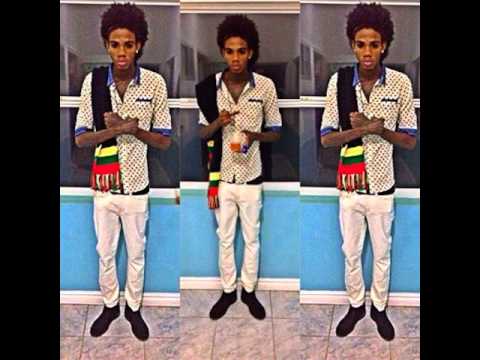
When he surfaced in 2013, the look arrived with the sound — a styled, deliberate image that made him instantly recognisable before most listeners knew his name.
What reads in hindsight as strategy was, at the time, simply refusal — a refusal to arrive looking or sounding like anyone who came before. The catalogue starts there.
Listen to this chapter
2014
Chapter Two · 2013–2014
Finding the Sound

The early singles arrived in quick succession — a delivery that sat back where others rushed, a tone that read as calm even at full aggression. Within two years the sound had a name attached to it and a scene paying attention.
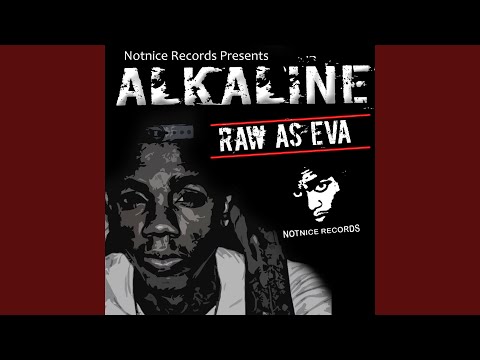
Working with producers including Notnice Records, UIM Records and ZJ Chrome, early singles such as 123, High Suh, Bruk Out, Things Mi Love and Live Life built his reputation in Jamaica, with Move Mountains becoming a signature record.
In 2014 he was named 21st Hapilos Breakout Artist of the Year.
Listen to this chapter

Chapter Three · 2015–2016
Breaking Through

The breakthrough was not a single moment but a sustained push — records aimed beyond the island, a collaboration that crossed markets, and an anthem that made the ambition explicit: champion boy.
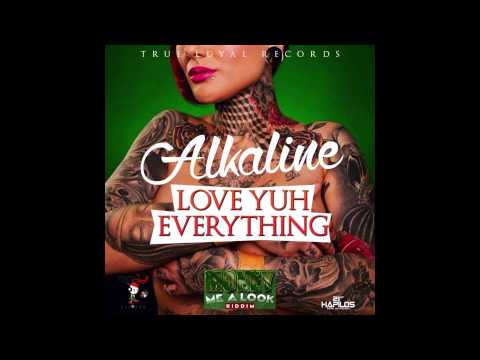
In mid-2015 he moved on the international market with On Fleek (Love Yuh Everything) and Ride On Me (Remix) featuring Sean Kingston.
By now the fan base had a name of its own — Vendetta — worn like a flag from Kingston outward, complete with its own Detta Gear clothing line.
A movement with a name is a different thing from an audience. Vendetta turned listeners into members — and set the stage for what a first-party world could become.
Listen to this chapter

New Level Unlocked · 2015
Chapter Four · 2016–2017
New Level Unlocked
The debut album turned a singles artist into an album artist. Fifteen tracks, one thesis — the level had changed, and the title said so out loud.
New Level Unlocked was released on 25 March 2016 on DJ Frass Records.
Reggaeville's biography reports the album topping the Billboard Reggae Albums chart in April 2016, remaining on the chart for eighteen weeks.
The year after the album, the answer to every critic was volume of work — and then a festival with his own name on the licence.
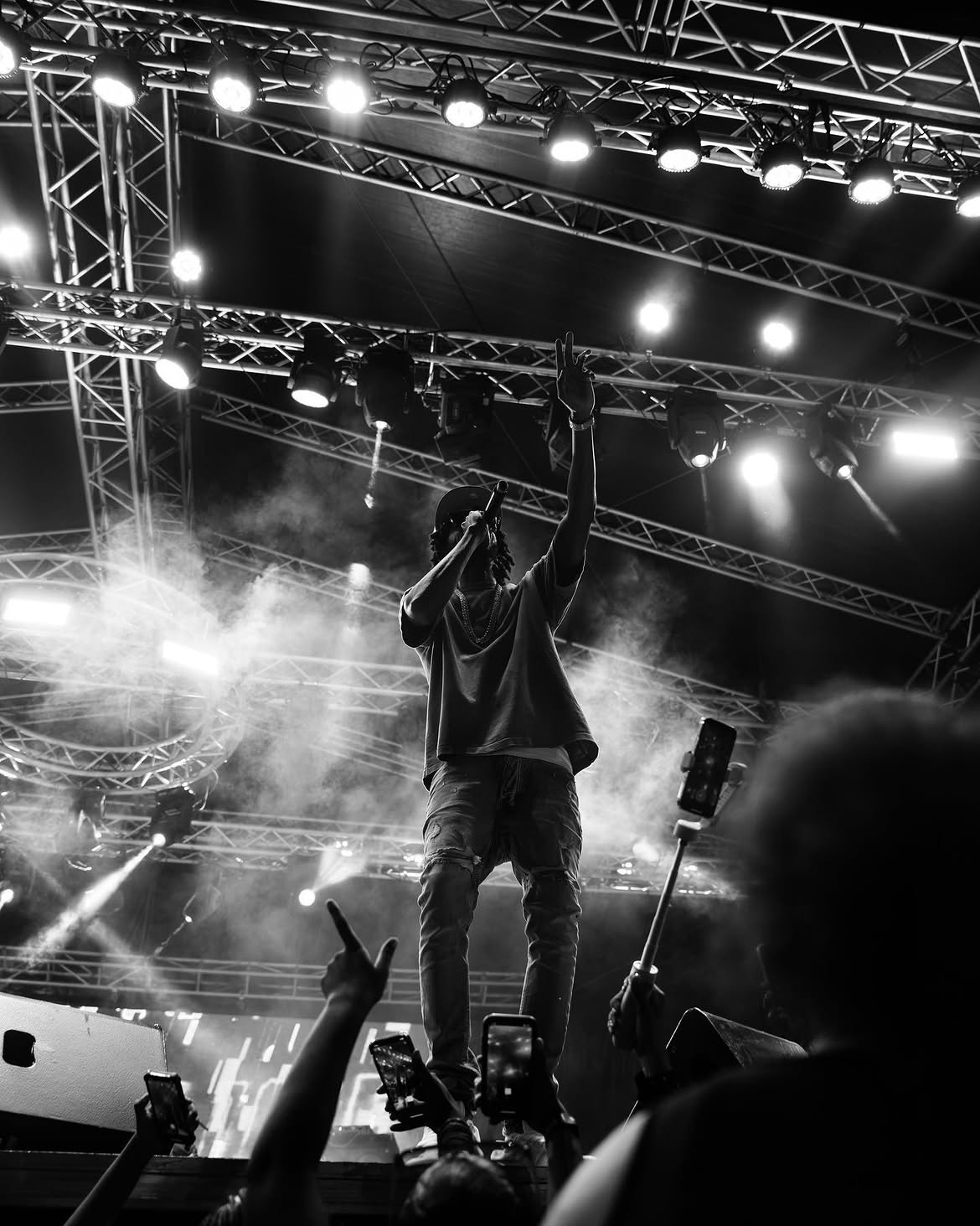
On 25 March 2017 he launched the New Rules Festival at the National Stadium Car Park, Independence Park, Kingston — Mavado, Shaggy, Tarrus Riley and Jahmiel among the guests, and one of the biggest turnouts on a Jamaican stage show.
It was his first live performance in Jamaica in two years. The stage answered louder than any interview could have.

Explore the New Level Unlocked era →
Chapter Five · 2018–2020
The Movement Expands
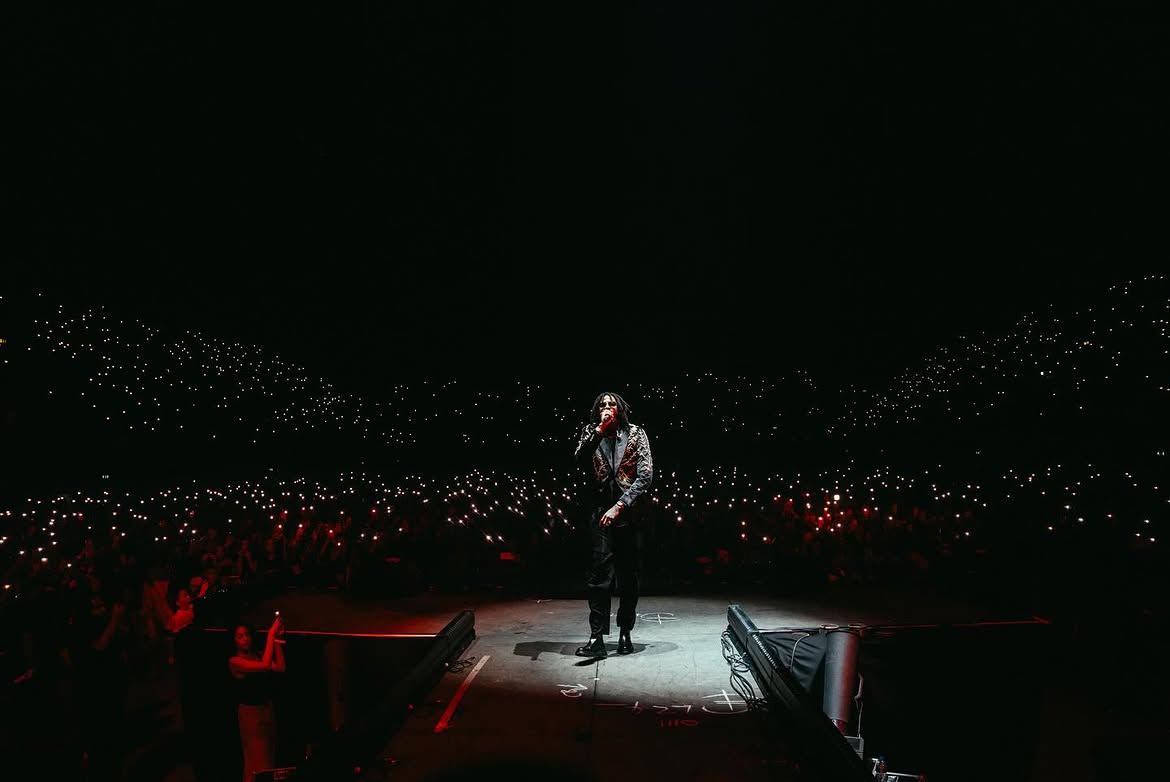
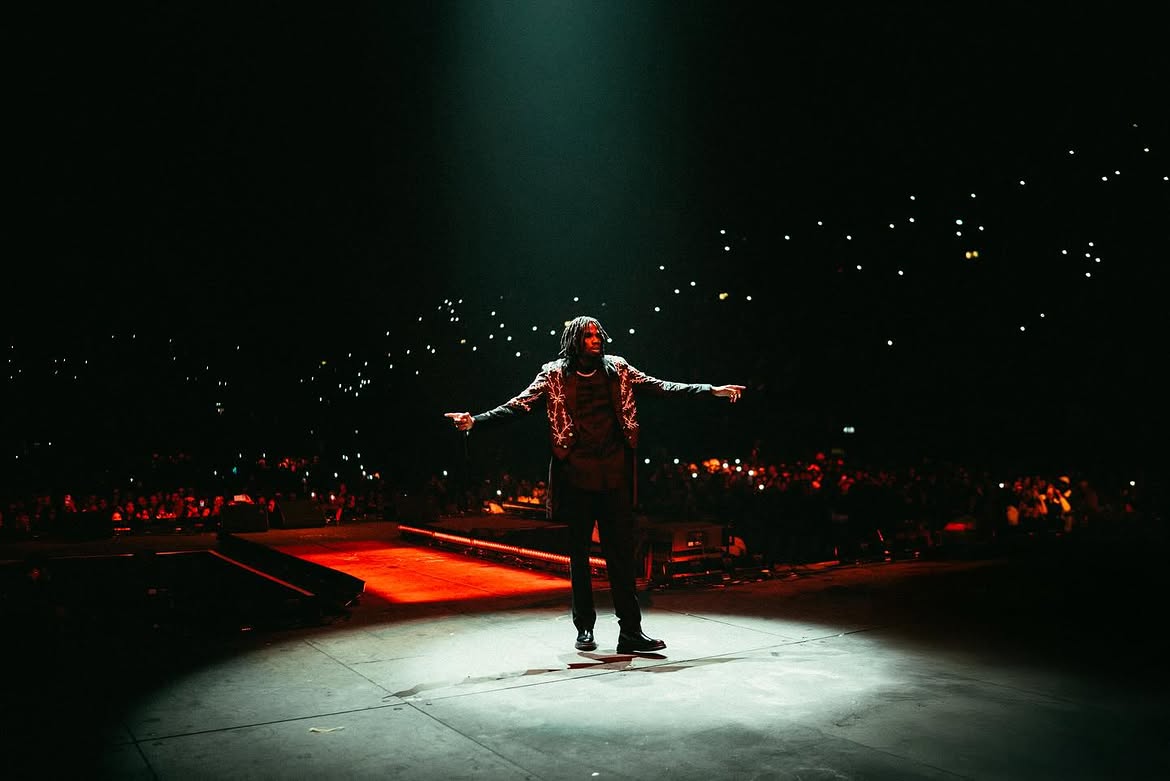
Between albums, the catalogue moved sideways as much as forward — atmospheric records like Ocean Wave widened the palette, and the audience kept widening with it.
By early 2020, New Rules was being announced for a return to the National Stadium — the self-built stage now an institution of its own.
The releases of this stretch — Ocean Wave through Cree and Deep Sleep in 2020 — moved through his own Tru Ambassador imprint, the machinery of independence assembling in public view ahead of a self-released second album.
It was the quietest era on paper and the most consequential in structure: fewer headlines, more ownership.
Listen to this chapter

Chapter Six · 2021–2022
Top Prize

Five years after the debut, the second album arrived on his own terms — released independently, named without hedging, and received like a title defence.
Top Prize was released independently on 14 May 2021 and debuted at No. 2 on the Billboard Reggae Albums chart.
The album took the No. 1 position on the US Current Reggae Albums chart.
The 2022 EP Ripple EFFX won EP of the Year at the inaugural Caribbean Music Awards.
The album era drew rare mainstream press engagement — Essence profiled the famously private artist as the Vendetta don chasing the top prize.
Chapter Seven · 2023–present
The Current Chapter
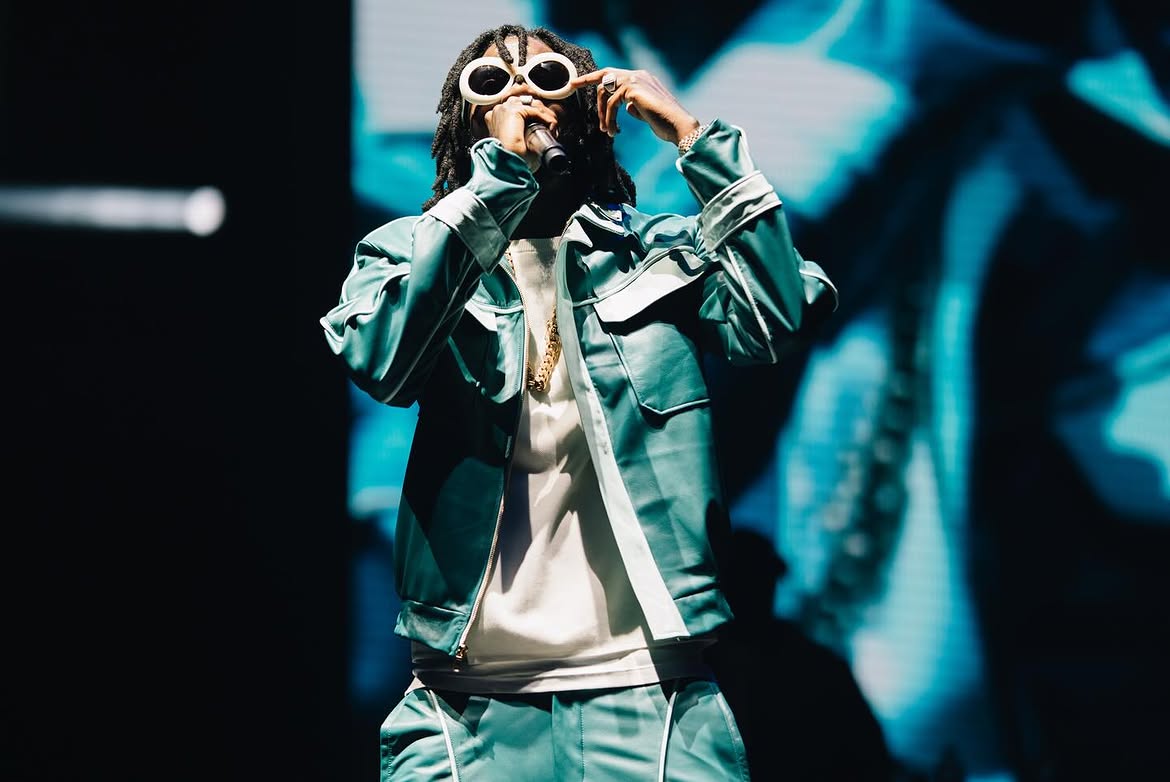
The present tense: the New Rules Festival carried from Jamaica to New York, London, and Toronto — then home again — and a singles run that resolved into a third album.
The fifth staging of New Rules was held in Mount Vernon, New York on 3 September 2023; the festival made its UK debut at Wembley Arena on 17 April 2025 and its Canadian debut in Toronto on 21 June 2025.
On 5 July 2025 the festival came home — New Rules Festival Jamaica's 5th staging packed the Trelawny Multi-Purpose Stadium to capacity.
The famously reserved artist re-emerged in press too — a first sit-down interview in years with BET UK in May 2025, and a Viper digital-cover feature that summer.
On 23 March 2026, NPT — the third studio album — arrived on Autobamb Records: sixteen tracks, including Graduate, Aura, Bad and No Emotions.
In 2026 the stage kept scaling too — Reggae Fest x New Rules at Barclays Center, Brooklyn on 21 March, and at Miami's Kaseya Center on 22 May.
Three albums, one festival with stamps in four countries, and a movement that still answers to one name. The current chapter is not an epilogue — it reads like a thesis restated at scale.

